
For those who run through their AA and AAA stockpiles in a few days, rechargeable Ni-MH batteries like the Panasonic Eneloop make a much better alternative to repeatedly buying alkalines. While they're not lithium-ion, they come in AA and AAA sizes and work in most everyday devices made for 1.5-volt disposable cells. Always check the instructions on any device, just to be sure. Rechargeable Ni-MH batteries typically push 1.2 volts, and a few products here and there may be particularly voltage-sensitive.
Rechargeables are great for devices that require fresh batteries often. If you always keep a charged set on hand, it's just a matter of switching them out when needed. The difference between alkaline and lithium-ion is also important for disposal. In most of the U.S., alkalines can go in the trash (except for California), though local or county rules may encourage or require recycling.
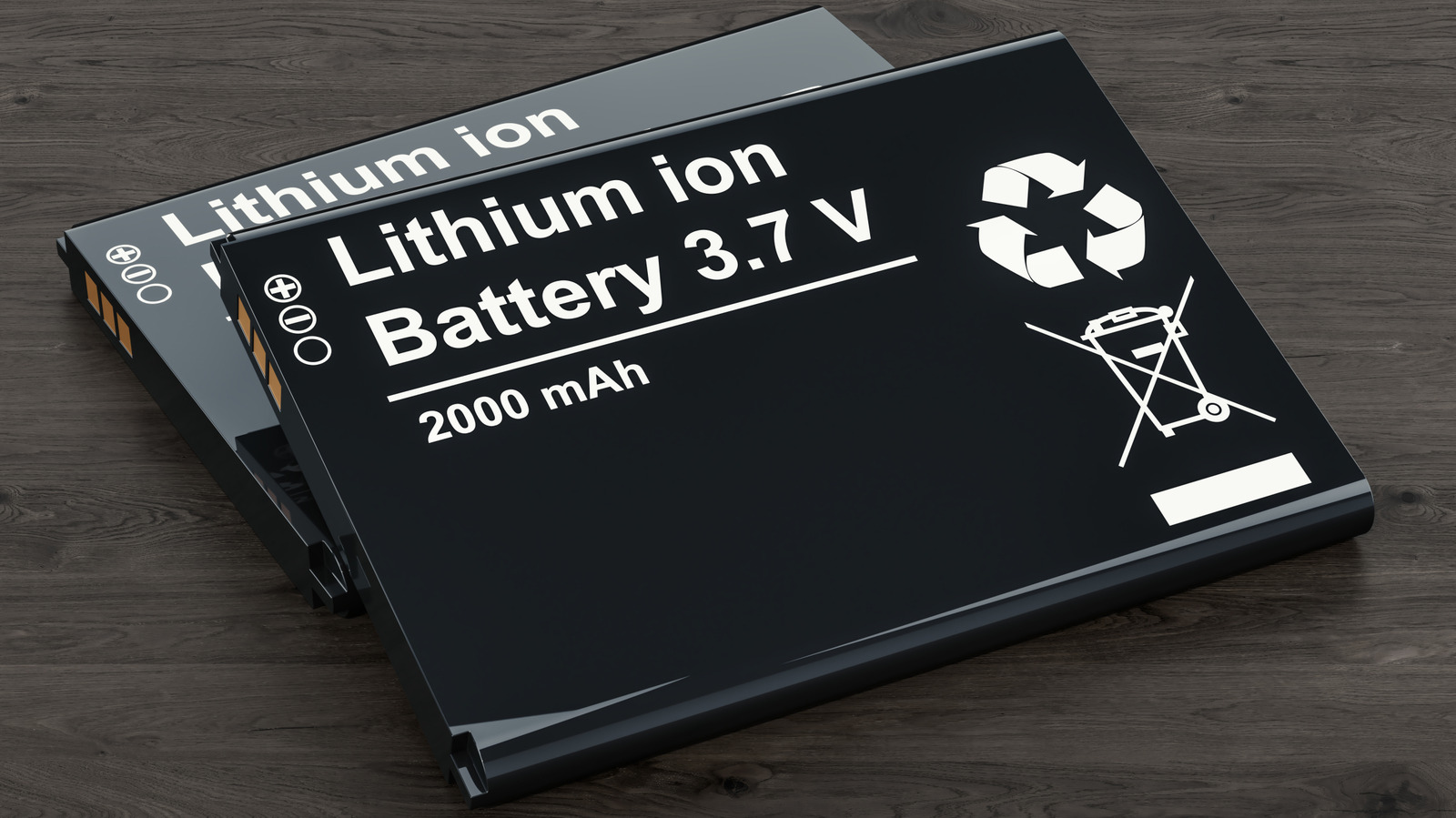
Lithium-ion batteries and the devices containing them should never go into household garbage or a random recycling bin because damaged cells can start fires. Instead, take them to a dedicated battery recycler or participating retailer. Always make sure you tape up the exposed terminals and keep the batteries separate before transport.