
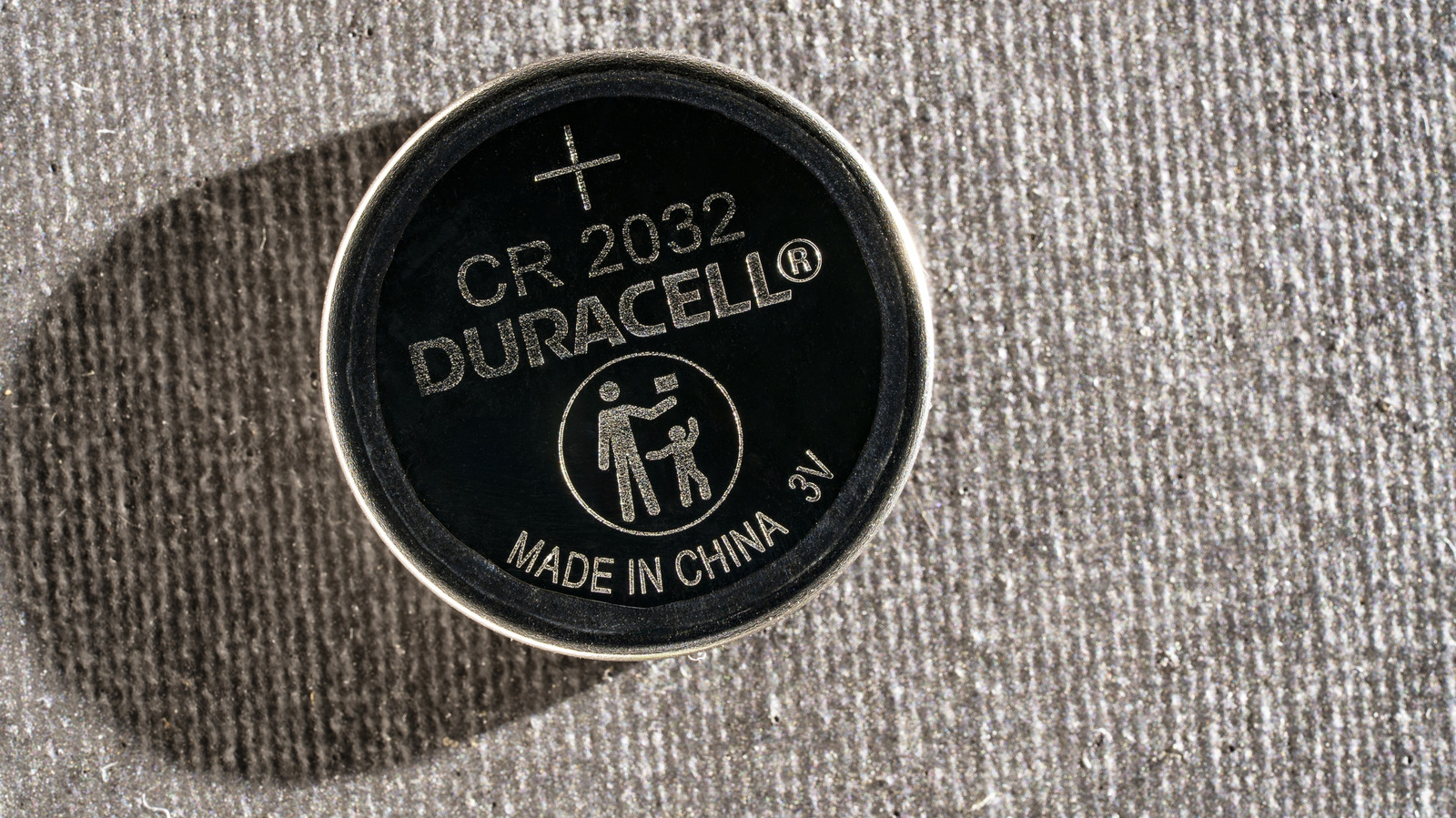
A dedicated coin-cell tester is another option. Some cost around $10, although certain models only measure voltage rather than how the battery performs under load. Basic multimeters can cost less than $20 and are good for checking other batteries or troubleshooting low-voltage electronics. Still, buying either just to diagnose one suspect $3 battery is a harder sell.
There's also the LED trick, assuming you have one lying around. A small red or yellow LED is a better choice than a blue or white one because it generally needs less voltage to light up. Touch its longer leg to the CR2032's positive side and the shorter leg to the negative side. If it lights up, the battery can supply some current. That's about all it proves. The LED won't tell you how much life is left, and one that stays dark doesn't necessarily mean the battery is dead.
AirTag owners can check Find My before opening anything. Select Items inside the app and tap your AirTag. If it says "Low Battery," or shows a depleted battery icon, skip the testing and replace the CR2032. Some CR2032 batteries have bitterant coatings that may prevent proper contact, even when they're brand new. Apple recommends packaging marked "Compatible with Apple AirTag" when replacing an AirTag battery, and says an AirTag's battery lasts more than a year, while Samsung rates the SmartTag2 for up to 500 days in normal mode.
After removing a CR2032, keep it out of children's reach and tape its terminals before taking them to a battery collection facility. If one is swallowed, seek emergency medical care immediately, as serious internal injuries can occur in as little as two hours.