
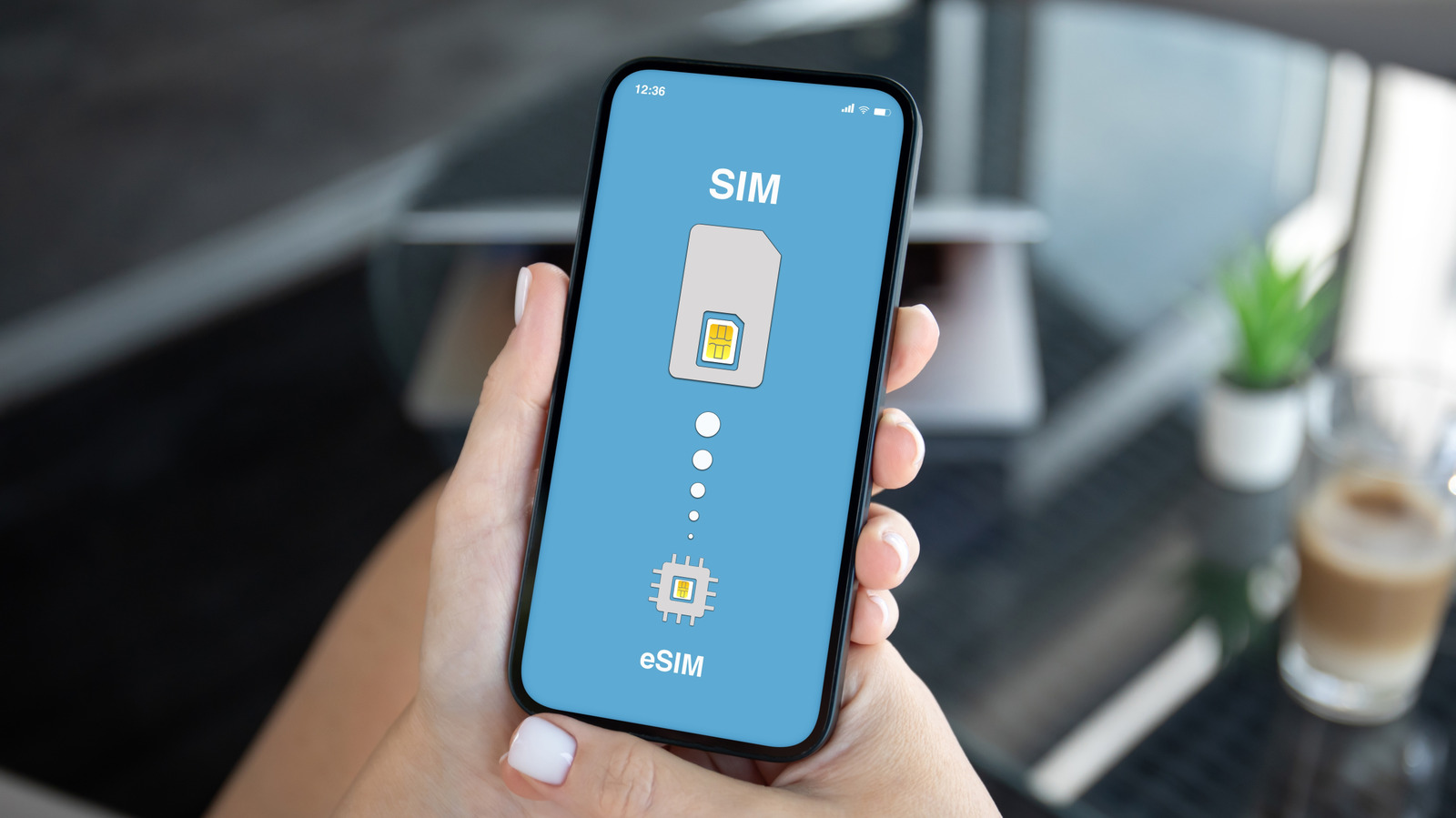
For some, the primary objection is losing the fallback simplicity of a physical SIM. For all the talk about switching from one phone to another with an eSIM, popping the tray open and physically switching a card to another phone is pretty easy, unless you have a severe case of fumble fingers. As previously stated, some carriers require in-app QR codes or switches, both of which can be a pain. So it's less about the convenience of an eSIM and more about the available tools and how efficient they are.
Physical SIMs still offer a wider degree of compatibility with older and simpler phones, which works out great for the Gen Zers going retro or the many seniors who still prefer them (though that's changing). While there's no removable card to lose or physically extract, digital activation doesn't eliminate account fraud or SIM-swap scams either.
Ultimately, it boils down to what "convenience" matters more to you. If your phone supports both formats, then you're good whichever way you go. In fact, you can do both: retaining your physical SIM while using an eSIM for another supported line.