
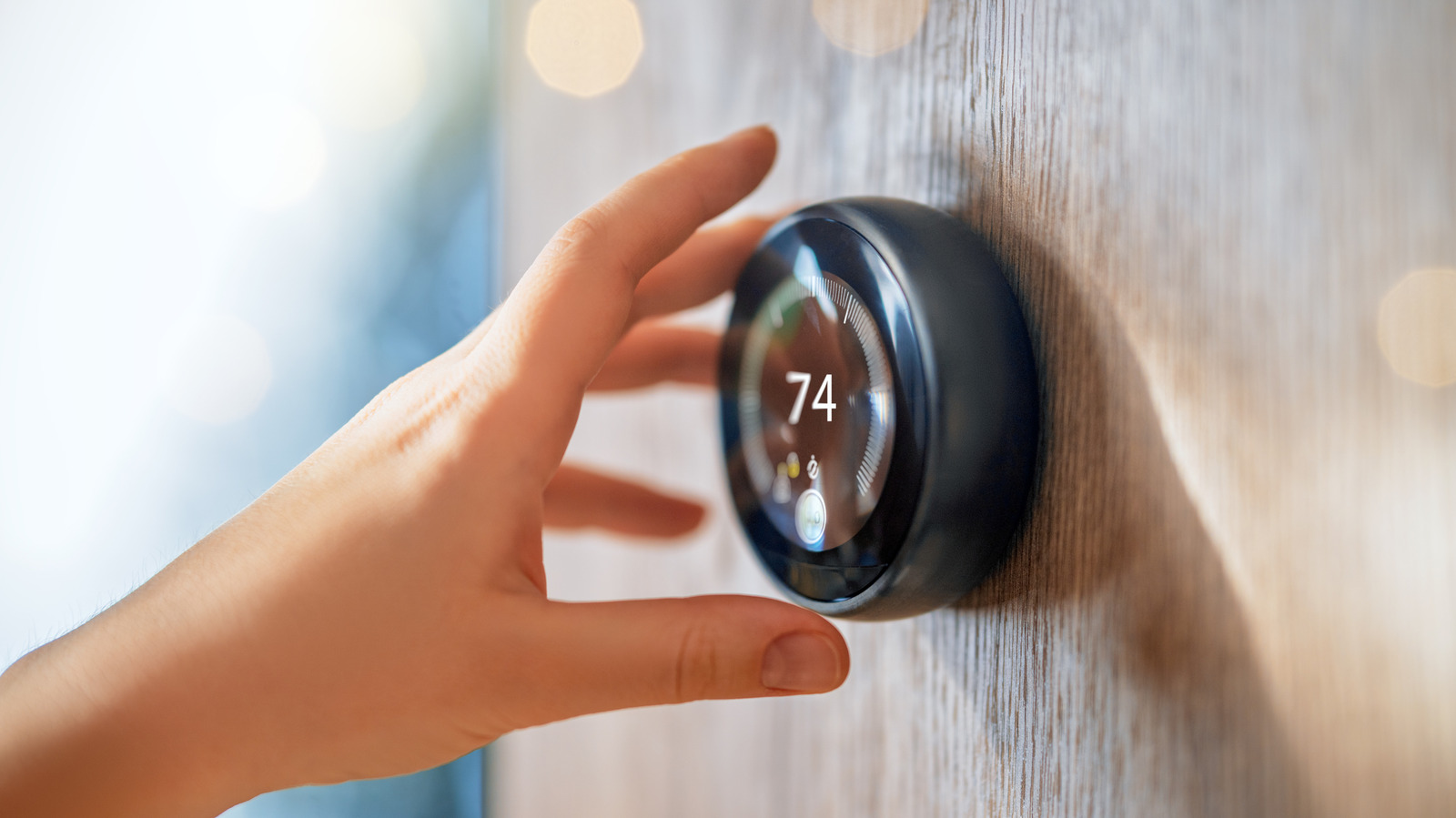
It may well be worth investing in a new one from Google or another smart thermostat maker if your goal is to cut energy bills. Better models optimize performance not just in terms of general efficiency, but by detecting occupancy and syncing with cloud-based weather data. If nothing else, it can be helpful to adjust temperatures remotely — when no one's at home, there's no sense wasting money on perfect heating or cooling.
Beyond that, there may not be a real need for you to invest in a new smart thermostat. If the people in your home have predictable habits, you should be fine enough with your Nest's built-in scheduling. Comfortable temperatures don't vary much during the year. If you want to save cash, a simple tactic is to let yourself get a little hotter in the summer, and a little colder in the winter. Changing clothes or using portable fans and heaters is often more economical than forcing your entire HVAC system to work harder.
If you do think it's worth buying a new thermostat, be sure to check for any rebate programs offered by your energy provider. I recently bought a new Ecobee, and the rebate was steep enough that I was able to afford a top-of-the-line model for less than what a midrange one would cost on sale. Entry-level thermostats might as well be free.