
That infotainment gap makes more sense when you consider how these companies are building a cheap EV.
Slate is starting from scratch, so it is ruthlessly questioning what needs to be included. Ford has been making vehicles for more than a century and its answer is to simplify engineering and assembly while keeping more familiar equipment in the cabin.
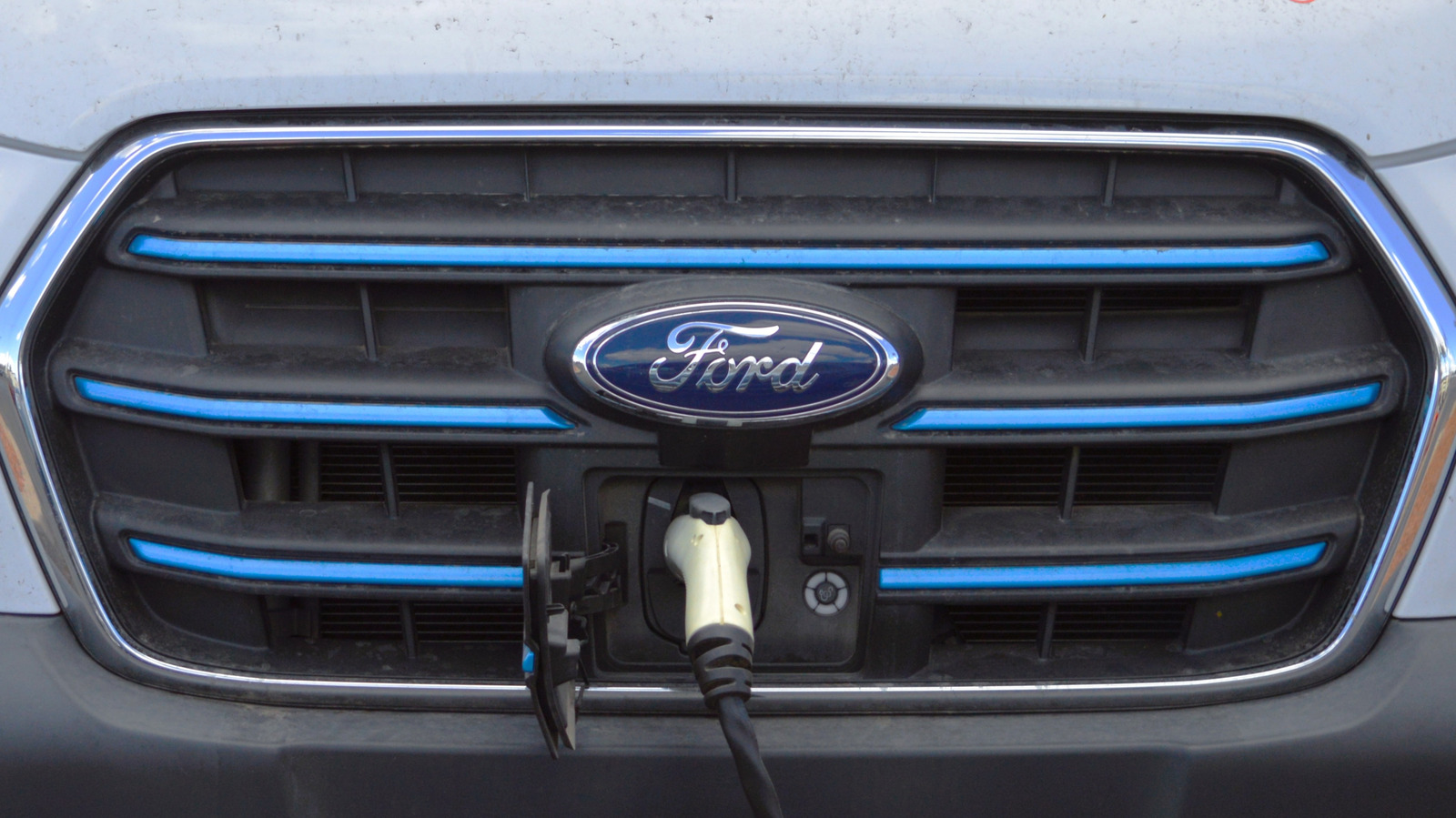
Ford is investing $2 billion to retool Louisville Assembly Plant around its Universal EV Production System. The automaker says the platform uses 20 percent fewer parts than a typical vehicle, 50 percent fewer cooling hoses and connections and a wiring harness more than 4,000 feet shorter than the one in its first-generation electric SUV, the Mustang Mach-E. Assembly is expected to net out at 15 percent faster than the plant's previous products. It's a lot of engineering aimed at cutting manufacturing costs without making the cabin look unfinished.
Smartphone integration isn't an afterthought for buyers. Deloitte's 2025 Global Automotive Consumer Study surveyed over 31,000 consumers in 30 countries and found that 63 percent of US respondents considered smartphone connectivity via CarPlay or Android Auto in their next vehicle somewhat or very important.
Slate's approach isn't necessarily wrong. A less expensive, two-door electric pickup with fewer electronics may be just what some buyers want. CarPlay or Android Auto could be one of those little features that feel much bigger after you've lived without them. The five-seat Fathom, meanwhile, is shaping up as a more conventional daily driver.