
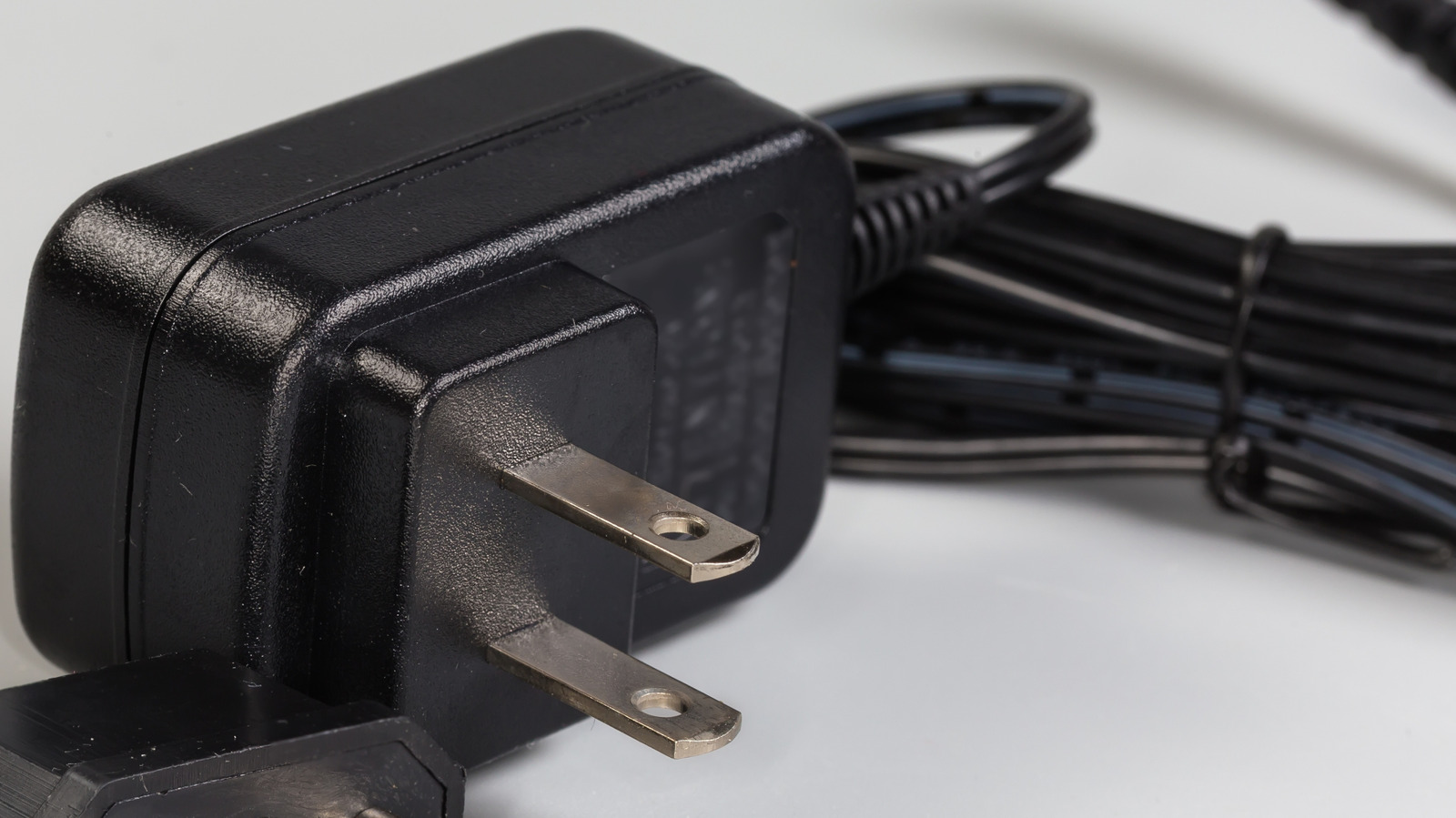
You sure can. A plug without any holes isn't defective or anything, and it's not missing the required safety features, though some plugs, like extension cords, shouldn't be plugged in at all times for safety. If a manufacturer produces a plug with holes, it has to follow the specified size and lead-in shape to maintain compatibility with old and new receptacles. The burden is on the manufacturer, not the buyer.
A solid, hole-free blade will still make electrical contact and close the circuit in an appropriate outlet (including those with retractable prongs). Older receptacles use the detent, and newer receptacles must meet the minimum requirements for plugs without holes. Either way, you're good to go.
The only practical concern you have to worry about is the condition of the connection. If your plug is sliding back out with little resistance, it's probably wear and tear in the receptacle, not the plug prongs. You don't need to go out and hunt for a plug with holes. Instead, go find a new receptacle. Changing them out isn't too difficult; just make sure the power is cut off at the breaker. Fingertips and 15 to 20 amps don't mix well. Also, don't drill holes in the prongs if you have a plug with solid blades. The holes really aren't necessary.