
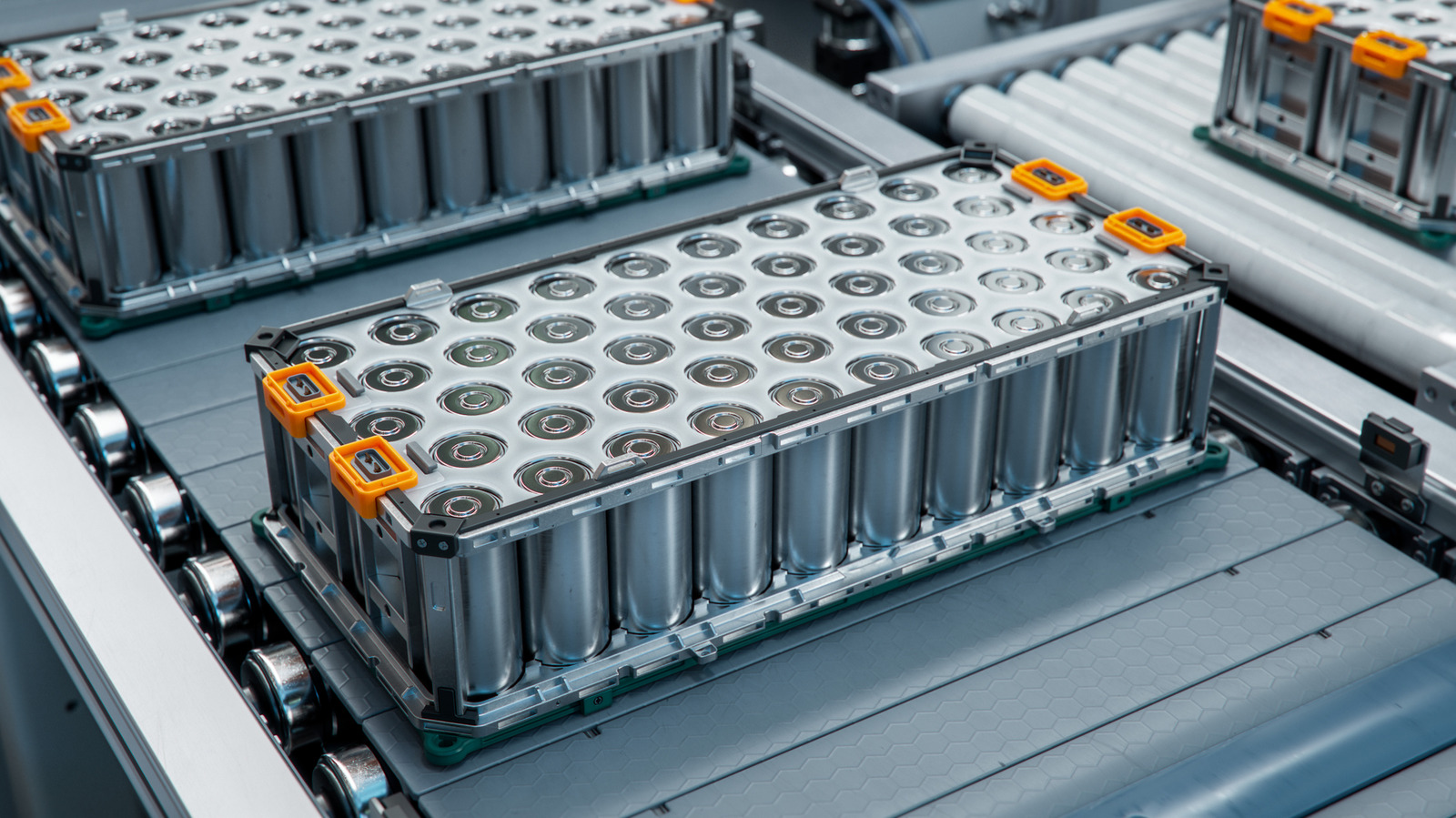
A lithium-ion cell in thermal runaway generates heat several times faster than it can lose it. According to the UL Research Institutes, that runaway state is when the temperature climbs by more than 20 degrees Celsius a minute toward peaks of above 300 degrees Celsius, with gas, smoke or flames venting from the cell. The US National Transportation Safety Board studied four Tesla fires for a report back in 2020, including the case in which a Model S battery caught fire twice after a Florida crash. The safety board reported batteries reigniting multiple times after firefighters initially put them out, and one fire reportedly took more than 20,000 gallons of water to extinguish.
When UL's Fire Safety Research Institute burned 18 EVs for a study published in August 2026, it found that none of its suppression techniques could stop thermal runaway once it started. Moving a dangerous battery pack away from people in the vehicle is therefore one of the few credible ideas that don't depend on extinguishing the fire.
Stellantis' US arm currently has a patent application for a release system triggered by a switch in the cabin or trunk. When triggered, sliding frames or explosive bolts drop the malfunctioning pack to the ground and a 12-volt battery powers a motor to roll the car clear. In contrast, Hyundai and Kia's 2024 patent does use a temperature sensor, but the car has to be stopped, and the driver has to pull a lever before the pack falls under its own weight.
Others are addressing this battery conundrum from different angles. China implemented a mandatory standard in July 2026 requiring that a pack doesn't catch fire or explode when a cell goes into thermal runaway. French automotive company Renault offered the entire industry free licenses on a port that lets a fire hose flood its battery packs with water, allowing emergency crews to reportedly extinguish an electric vehicle fire in about the same amount of time as a combustion vehicle.