
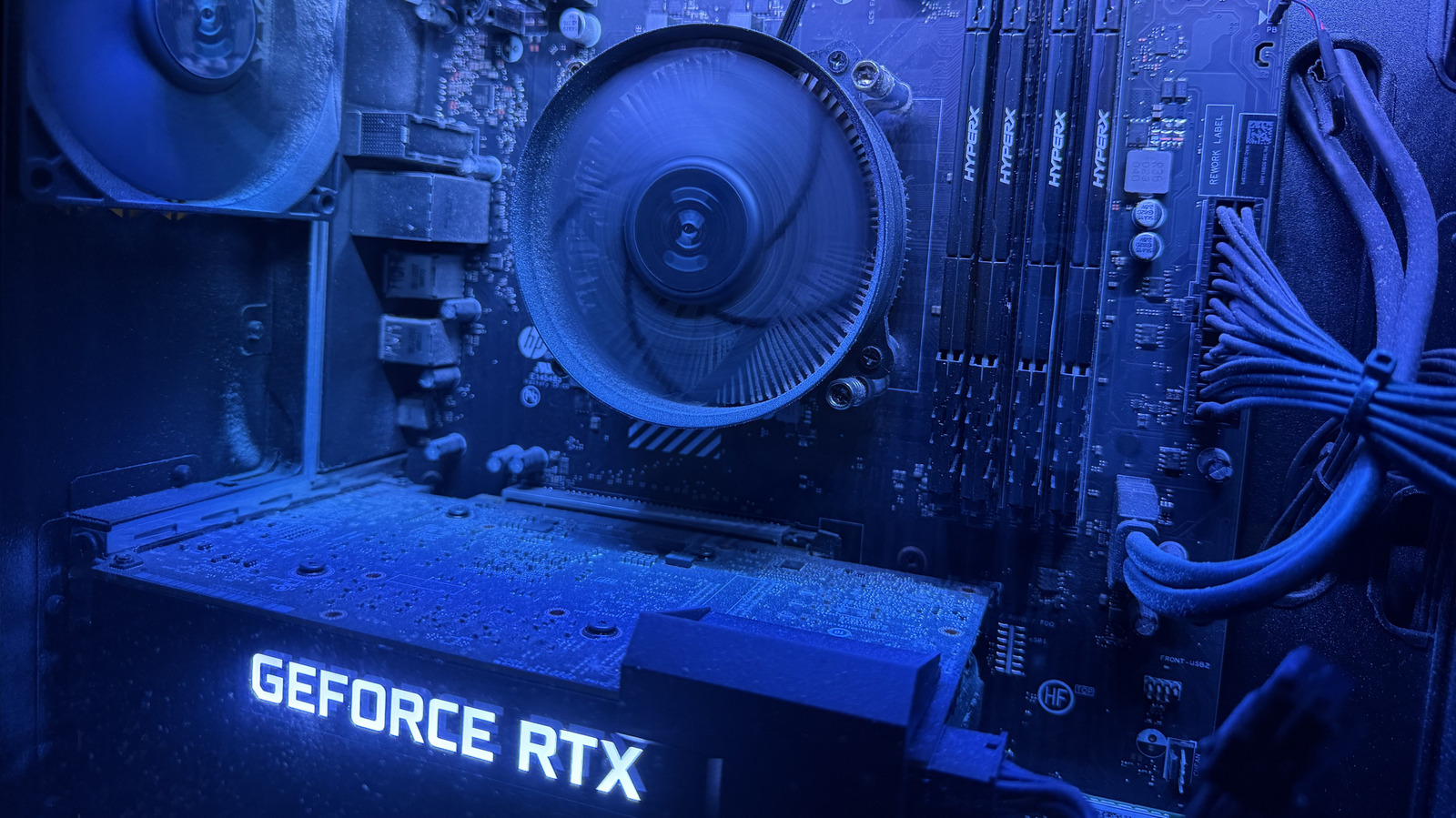
Since all standard PS5s have the same graphics hardware, studios can prepare their shaders before games are released. PC games can't do that, however, because the right version depends on the GPU and driver inside each machine. Instead, PCs compile them on first launch or mid-game, which is a major cause of long loading screens and stutter.
Testing carried out by Digital Foundry found that the RX 6700 was up to 44 percent faster than the PS5 while playing Hitman 3, whereas the console led by 45 percent in Cyberpunk 2077 with ray tracing switched on. Or, in other words, near-identical hardware produced opposite results because of how each game was built. A high-end PC will still out-draw any console, but a well-tailored console game can get considerably more from a mid-range chip than a PC.
Microsoft is now copying the console approach on Windows with Advanced Shader Delivery, which downloads precompiled shaders alongside the game. According to Microsoft's measurements, Forza Horizon 6 loads in four seconds with it versus almost a minute and a half without. Going the other way, the AI upscaler that sharpens PS5 Pro games came out of Project Amethyst, a Sony and AMD partnership whose work reached PC players first in the form of FSR 4.
AMD CEO Lisa Su told investors back in February that the next Xbox's semi-custom chip is progressing well toward a launch next year, so custom console chips have at least another generation to run. In the meantime, the price gap between consoles and gaming PCs has narrowed, with the PS5 starting at $599.99 since April and the cheapest Xbox Series X at $749.99, while PCWorld has managed to build a PC matching the Steam Machine for just short of $900. Microsoft blamed memory and storage costs for its price rise, and the same shortage has made it difficult to find an affordable GPU.