
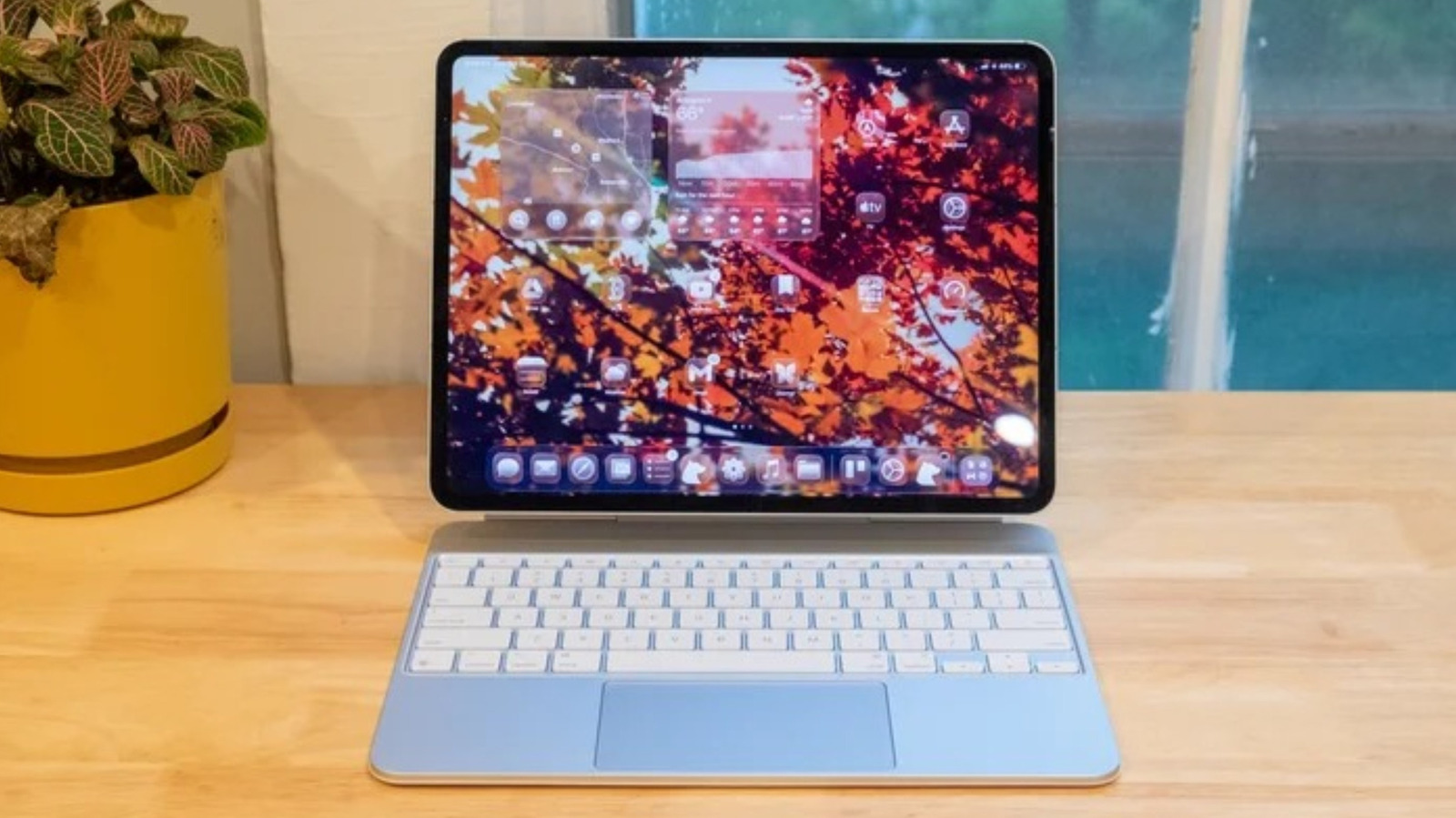
Android tablets have plenty of nifty features, but none equal the iPad Pro's desktop-class processing power. If that's what you want, look to Windows. The Microsoft Surface Pro is more complicated than any other tablet on this list, but that's because it has the full power of Windows 11 running on either a Qualcomm Snapdragon X2 Plus or X2 Elite processor.
The Snapdragon models are ARM-powered, just like the iPad. That gives them better battery life than traditional x86 Windows laptops, albeit at the cost of software support. Many apps aren't yet optimized for ARM, and you'll need to check whether the software you need is fully supported. Whether you want to deal with Windows 11 on a tablet is down to personal preference, but if you've used a Windows 11 PC in the past, the Surface Pro is no different. It's a marked departure from the touch-optimized interface of iPadOS or Android, but professionals in need of pro-grade software will be able to get more done on a Surface Pro than on an Android tablet, and arguably more than on an iPad Pro, depending on which software is required.
The Surface Pro is as expensive as it is capable. The X2 Plus-equipped 12-inch model starts at $1,140 for the 256GB model with 12GB of RAM and an LCD. The 13-inch Surface Pro starts at $1,200 for the same configuration. If you want an OLED screen that bumps the refresh rate from 90 Hz to 120, you'll also have to upgrade to the more powerful Snapdragon X2 Elite chip; that variant starts at $1,500, maxing out at $2,849 for the top configuration with 1TB of storage and 64GB of RAM.