
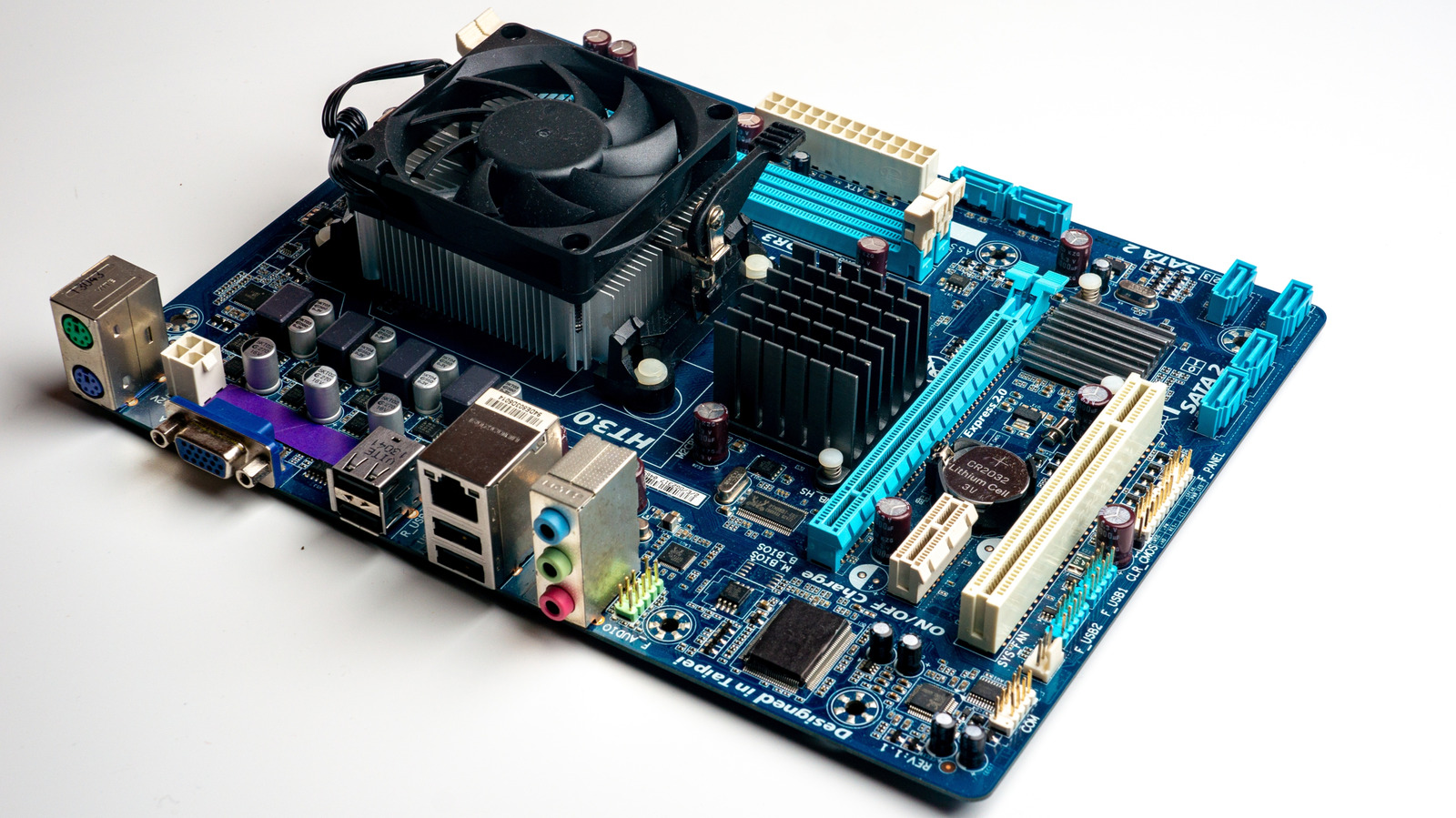
As your motherboard is made up of a lot of different parts that communicate with each other, it also has a lot of things that can go wrong with it. Capacitors, which supply voltage and current to the board's individual parts, can go belly up in a number of ways. If you have the means and skill with a soldering kit, it's entirely possible to put those skills to use in order to replace them. One piece of hardware that can help greatly in these situations is a multimeter, which can be used to test whether a fuse or power coil has burned out.
Additionally, if you happen to accidentally bend some of the pins on a CPU socket that has pins on the board itself, it's very doable to smooth them back into place, though it requires patience. Meanwhile, something as simple as a bad CMOS battery, which can cause limited to more severe issues, can be replaced within minutes. You may also benefit from something as simple as a cleaning or reapplying thermal paste to your CPU, but be aware that it can have some adverse impact on your board if not done properly. Each of these parts costs less than a standard cup of coffee, which makes the idea of doing the work yourself even more appealing.
Whether you repair or replace a motherboard is often determined by the severity of the issue, and in many cases, it's more beneficial to simply swap it out for a new one. Minor repairs like bad capacitors, a dead CMOS battery or even fixing slightly bent pins are incredibly common and easy. If your board has issues that interfere with your ability to use the machine, it's probably well past time for a replacement.